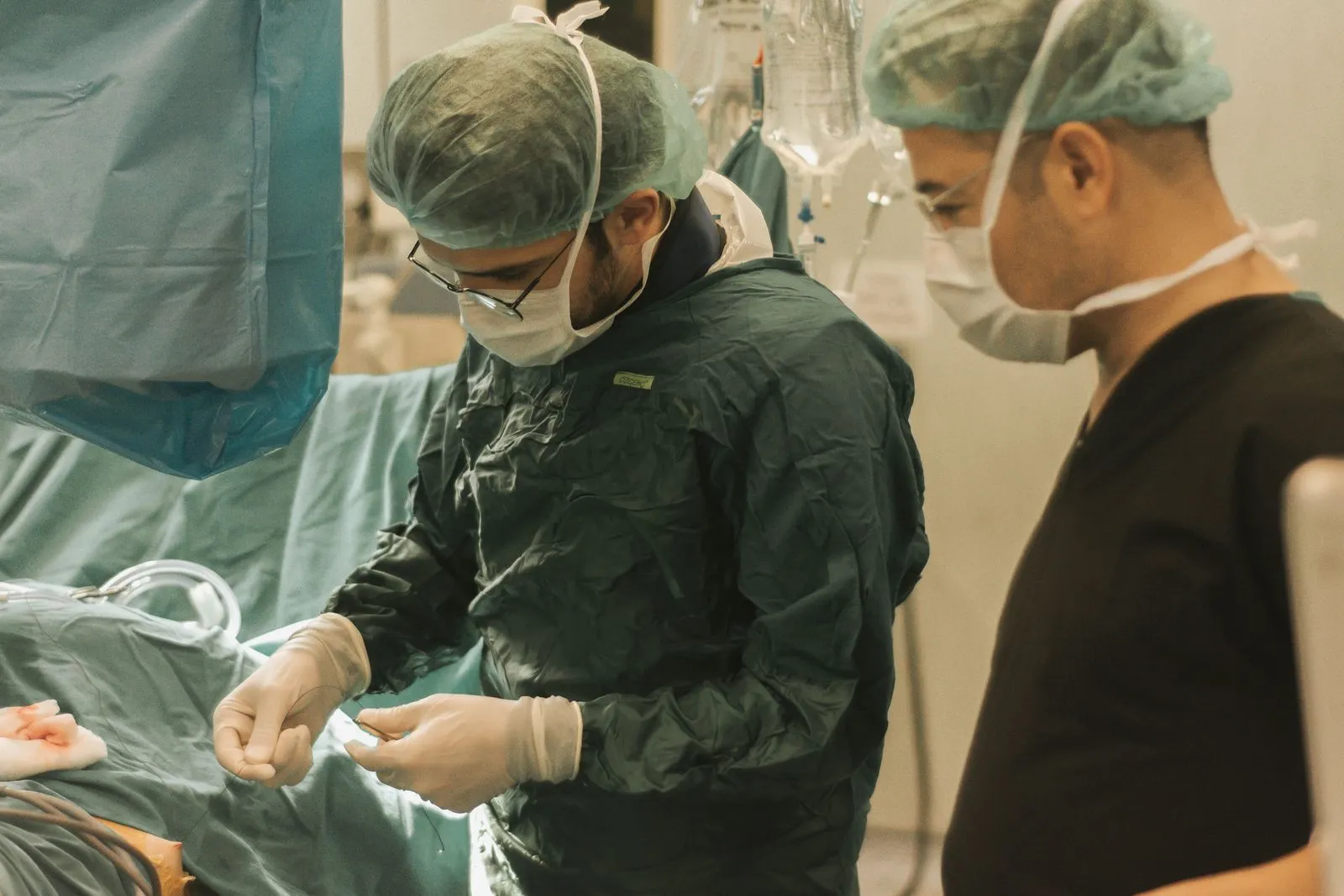
An osteopathy appointment after surgery is a chance to discuss how you are healing and what support may be appropriate. A little preparation can help you share useful details without needing to remember everything on the spot. Gather relevant records, note your current symptoms, and check any movement or treatment restrictions from your surgical team. Your osteopath can use this information to understand your situation and plan care that respects your recovery stage.
What to Bring
Bring any discharge instructions, referral letters, imaging reports, or rehabilitation notes you have. A current medication list is useful too, including prescribed medicines, over-the-counter products, and supplements. If you have written guidance about lifting, exercise, wound care, or movement limits, bring that as well. You do not need to collect every document; prioritize information that explains your procedure and your current restrictions.
Wear comfortable clothing that allows you to move as needed and makes the relevant area accessible, while keeping your comfort and privacy in mind. If walking or getting onto a treatment table is difficult, mention this when booking so the clinic can discuss practical arrangements. Bring a support person if you prefer help remembering details or getting to and from the appointment.
Explain Your Surgery
Be ready to describe what procedure you had, when it took place, and which area was treated. Mention the reason for surgery and any complications, additional procedures, or changes to your recovery plan. If you are unsure of a medical term, describe what you remember in your own words. Your records can fill in details, so you do not need to provide a perfect account.
Tell the osteopath what your surgeon or rehabilitation team has advised, including movements or activities to avoid and when you are due for follow-up. Share whether your wound is healing as expected and whether you have noticed changes since discharge. Osteopathy should fit alongside your surgical care, not replace it. Check with your surgical team before starting hands-on treatment if you have not been cleared or are uncertain about restrictions.
Describe Recovery Concerns
Describe what you notice in practical terms: where discomfort is, when it started, what brings it on, and what eases it. Explain how it affects tasks such as sleeping, dressing, walking, or returning to work. You can use a simple rating or comparison, but specific examples often make the concern clearer. Mention whether symptoms are improving, staying the same, or getting worse.
Include concerns beyond discomfort, such as stiffness, sensitivity around a scar, difficulty with a movement, or worry about returning to usual activities. Say what you hope to achieve from the appointment, even if your goal is simply to understand what movement is appropriate. If you experience a new or worsening symptom, contact your surgical team or another appropriate health professional promptly rather than waiting for an osteopathy appointment.
Plan the Appointment
Before you arrive, write down your main questions and the two or three concerns that matter most to you. Recovery can involve many details, and a short note helps you use appointment time well. Ask what the assessment may involve, whether any part of it could be uncomfortable, and how the plan will account for your surgeon’s instructions.
You can ask for an explanation before any assessment or treatment and let the osteopath know if you need to pause. Share changes in your condition during the appointment, not just what you noted beforehand. If the proposed care does not seem consistent with your recovery guidance, raise that concern and ask whether coordination with your surgical team is appropriate.
A clear account of your surgery, restrictions, and day-to-day recovery concerns gives your osteopath a useful starting point. Bring the information you have, ask questions, and speak up about changes or uncertainty. For an appointment with Cairns Recovery Osteopathy, contact the clinic to discuss what to prepare and whether your current recovery guidance is suitable for a visit.